
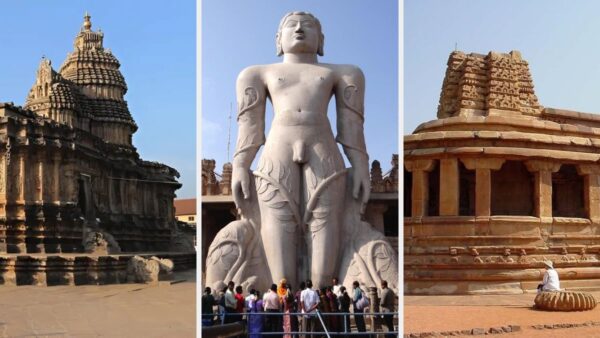
Karnataka is a treasure trove of ancient art and architecture. When you think of Karnataka temples, images of intricately carved stone walls, towering gopurams, and majestic courtyards come to mind. While some travellers focus on spirituality alone, architecture enthusiasts can find endless inspiration here. From Hoysala masterpieces to Chalukya marvels, Karnataka offers a rich variety of Karnataka heritage temples and Karnataka historical temples that are a delight to explore.
For anyone fascinated by temple design, sculpture, and architectural innovation, this guide presents the top 10 Karnataka temples that every architecture lover must visit. It’s perfect for those on Karnataka spiritual tourism trips who want to combine devotion with a visual feast of stone artistry.
Why Karnataka Temples Are a Paradise for Architecture Lovers
Karnataka’s temple tradition spans over a thousand years, reflecting the genius of dynasties such as the Hoysalas, Chalukyas, and Vijayanagara rulers. Key reasons architecture lovers flock here:
- Exquisite carvings depicting mythological stories and everyday life
- Distinct styles like Hoysala star-shaped temples, Chalukyan structural brilliance, and Vijayanagara grandeur
- Temples designed for spiritual experience and aesthetic harmony
- Rich preservation of Karnataka temple art, including friezes, pillars, and sculptures
Exploring these temples is not just a spiritual journey but a history lesson carved in stone.
Top 10 Karnataka Temples for Architecture Enthusiasts
1. Chennakesava Temple, Belur
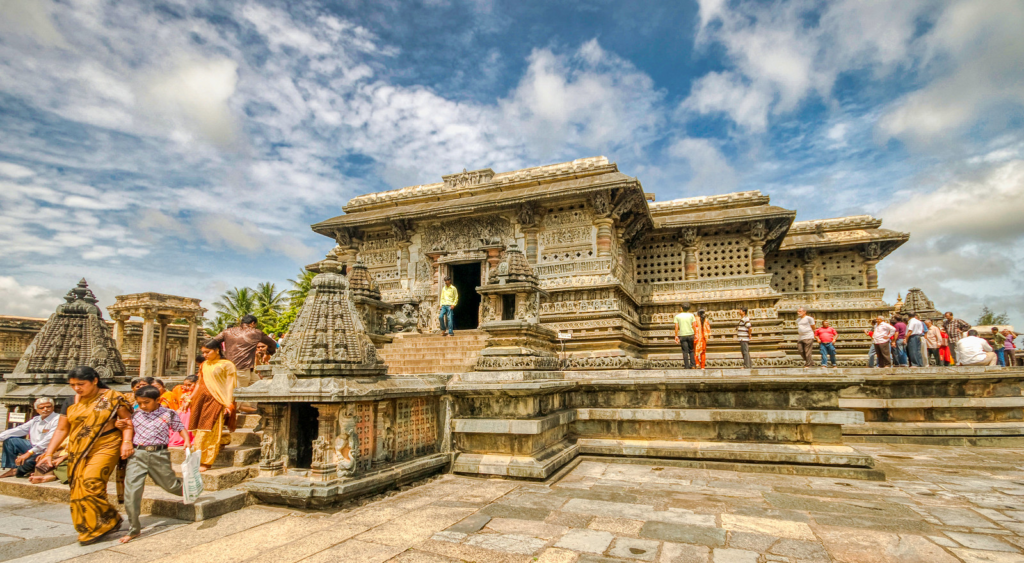
Era: 12th century, Hoysala dynasty
Deity: Lord Vishnu
Chennakesava Temple is renowned for its detailed Hoysala architecture. Every inch of the temple walls is adorned with carvings of deities, dancers, and mythological scenes.
Highlights:
- Star-shaped sanctum and intricately carved pillars
- Sculptures of Ramayana, Mahabharata, and Hindu gods
- Decorative ceilings with floral and geometric designs
Tip: Visit during early morning to appreciate the carvings in soft light.
2. Hoysaleswara Temple, Halebidu
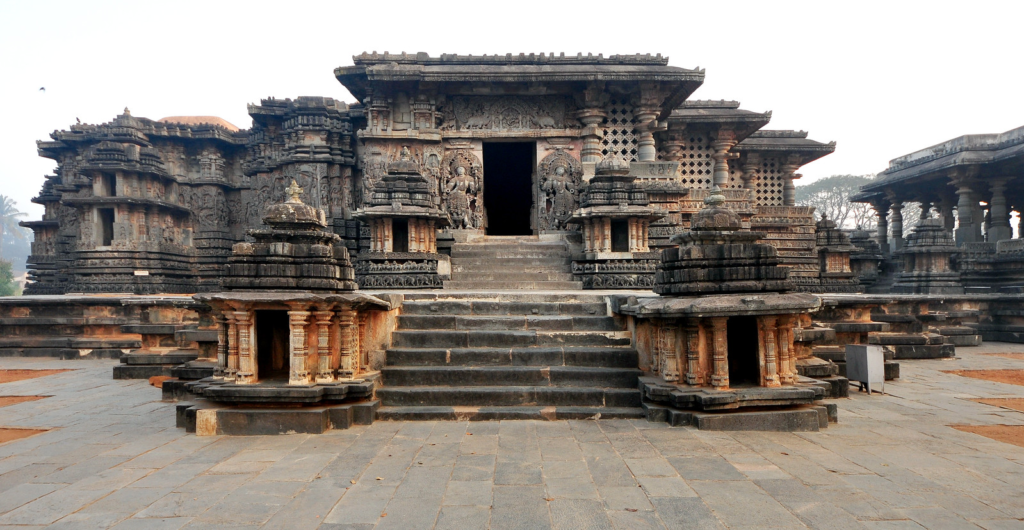
Era: 12th century, Hoysala dynasty
Deity: Lord Shiva
This temple is an architectural wonder showcasing Hoysala craftsmanship. The temple walls are covered with thousands of detailed sculptures.
Unique features:
- Twin shrines dedicated to Shiva
- Soapstone carvings depicting epic tales
- Stunning lathe-turned pillars
3. Virupaksha Temple, Hampi
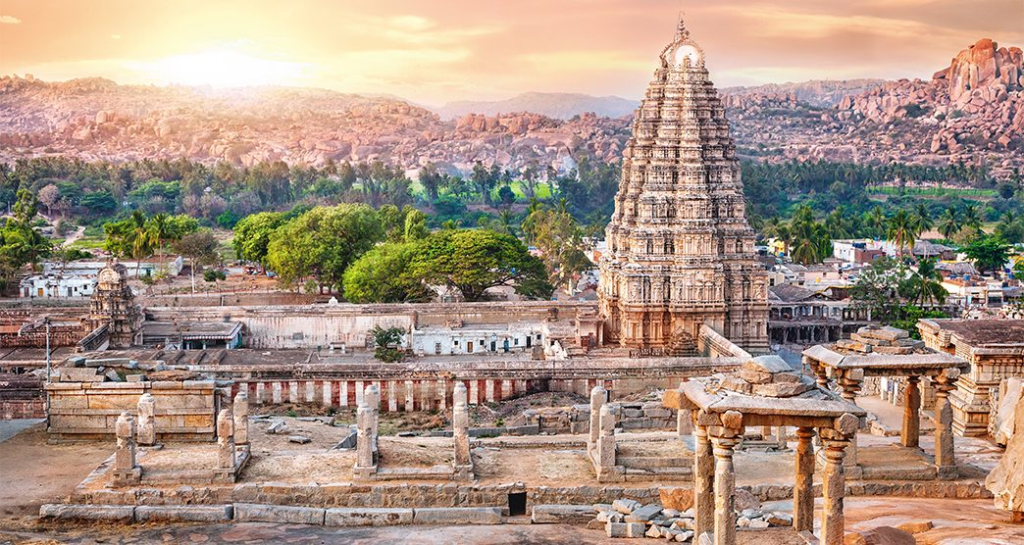
Era: 7th century, Vijayanagara period
Deity: Lord Shiva
Part of the Hampi UNESCO World Heritage Site, Virupaksha Temple is a blend of spirituality and monumental architecture.
Highlights:
- Massive gopuram visible from miles away
- Pillared halls and intricate carvings
- Annual chariot festival attracting thousands of devotees
Fun fact: The temple is still active, integrating living traditions with historical art.
4. Lakshmi Narasimha Temple, Nuggehalli
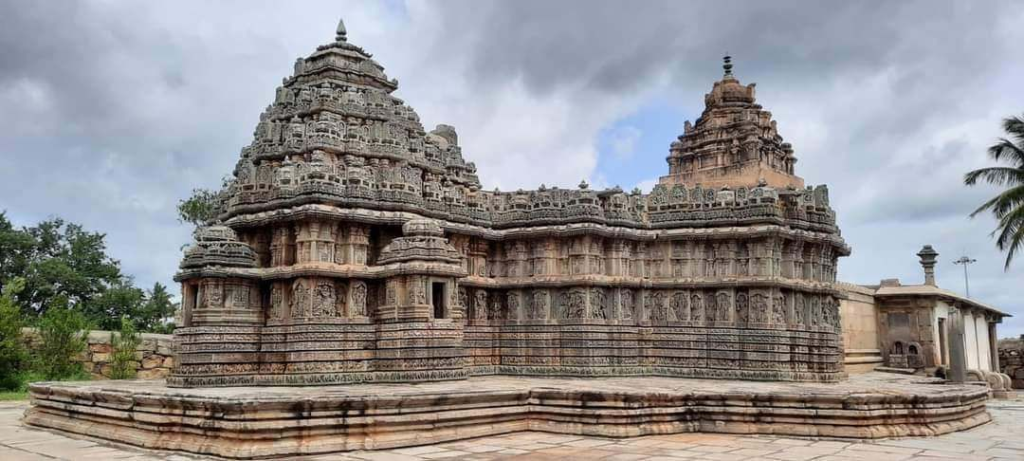
Era: 13th century, Hoysala dynasty
A hidden gem, this temple is a compact masterpiece of sculpture and Karnataka temple art.
Features:
- Intricately carved mantapa (hall)
- Detailed depictions of gods, dancers, and flora
- Lesser-known but highly praised by architecture enthusiasts
5. Kadamba Temple, Halasi
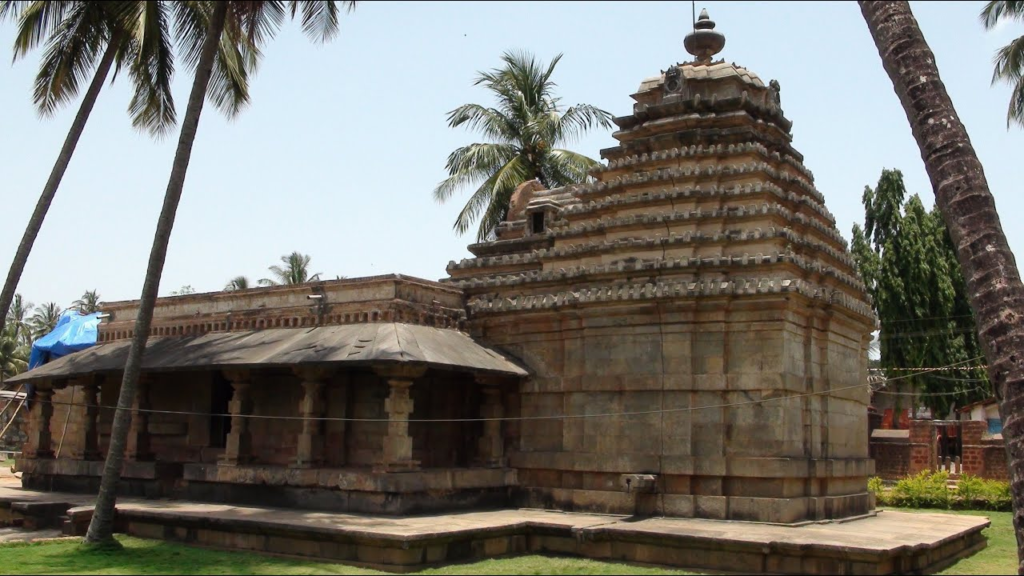
Era: 10th century, Kadamba dynasty
Kadamba Temple reflects early Karnataka ancient temples style and stands as a precursor to Hoysala grandeur.
Highlights:
- Simple yet elegant stone carvings
- Sculptures of deities and ceremonial motifs
- Tranquil surroundings ideal for photography and meditation
6. Chalukya Temples, Pattadakal
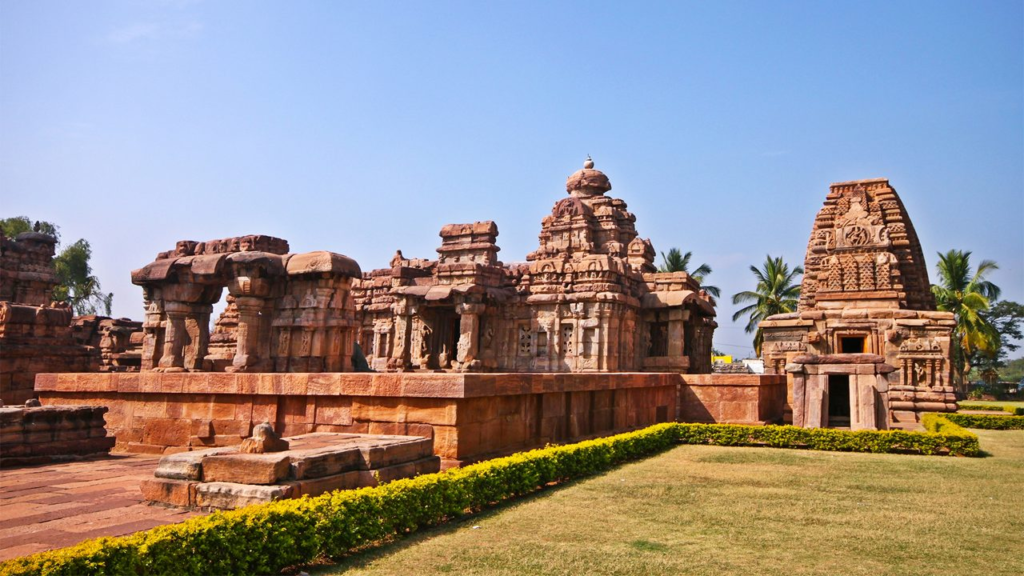
Era: 7th–8th century, Chalukya dynasty
UNESCO World Heritage Site
Pattadakal is a complex of temples showing a fusion of Dravidian and Nagara architectural styles.
Why visit:
- Each temple displays unique artistic innovation
- Stunning sculpted pillars and doorways
- Inspiration for later Hoysala and Vijayanagara temples
Tip: Hire a guide to understand the historical significance of each temple.
7. Somnathpur Keshava Temple
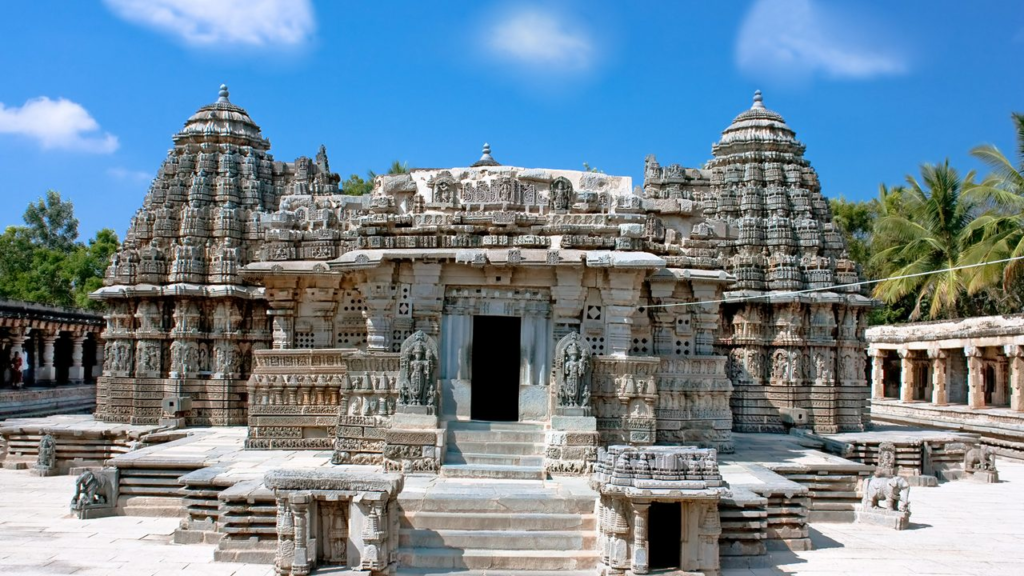
Era: 13th century, Hoysala dynasty
Deity: Lord Vishnu
Keshava Temple is famed for its exquisite stone reliefs. The star-shaped sanctum is a classic example of Hoysala ingenuity.
Highlights:
- Elaborate friezes depicting mythology and daily life
- Decorative ceilings and lathe-turned pillars
- Ideal for art and history enthusiasts
8. Maruleshwara Temple, Kolar
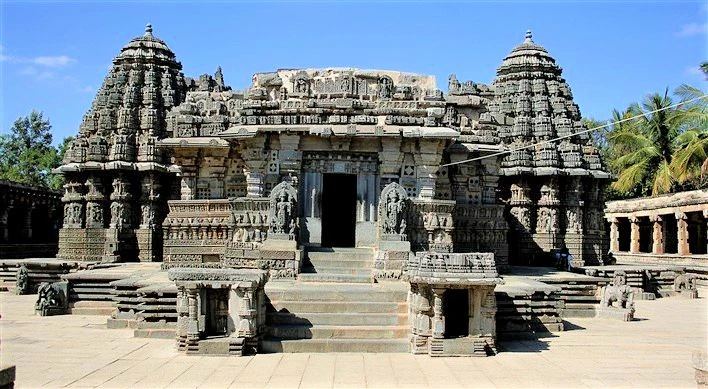
Era: 11th–12th century
Deity: Lord Shiva
This lesser-known temple showcases Karnataka heritage temples in their understated beauty.
Features:
- Detailed carvings of gods, animals, and floral patterns
- Quiet, peaceful environment for reflection
- Lesser crowds make it perfect for careful observation
9. Banashankari Temple, Badami
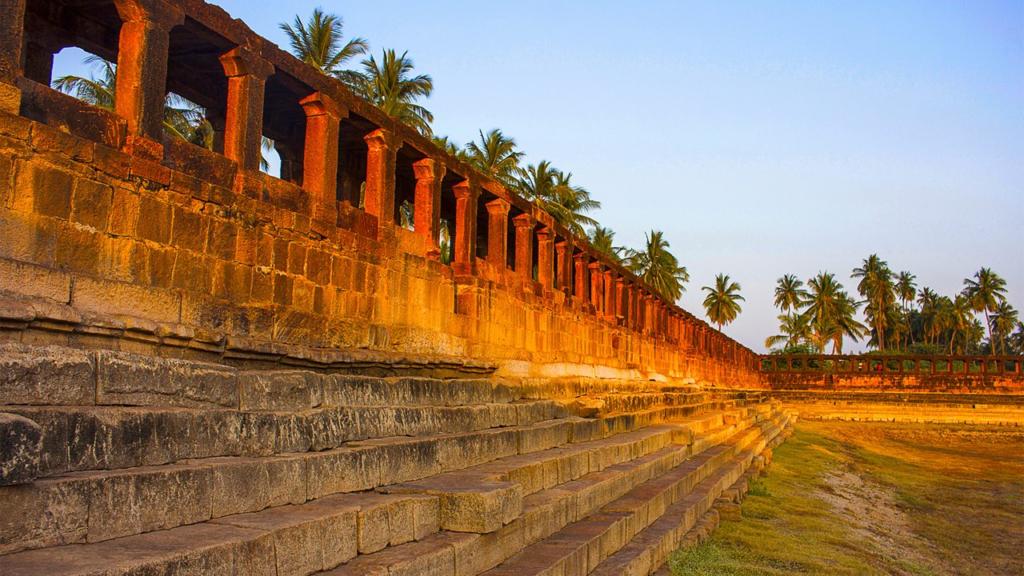
Era: 7th century, Chalukya dynasty
Deity: Goddess Banashankari
Banashankari Temple blends architecture with devotional function beautifully.
Highlights:
- Carvings and pillars reflecting early Chalukya style
- Combination of Dravidian and Kadamba elements
- Temple festivals adding life to historical architecture
10. Ranganathaswamy Temple, Srirangapatna
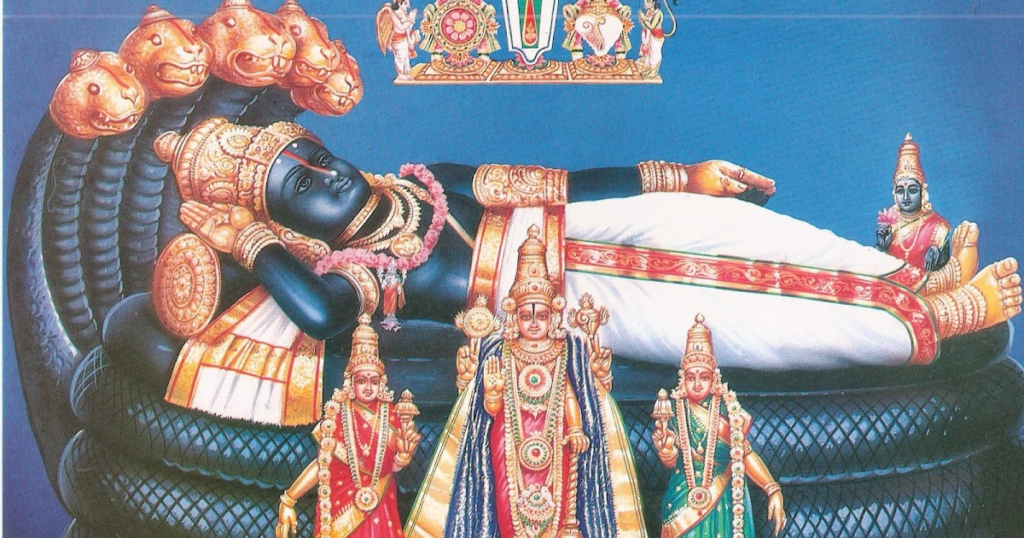
Era: 9th–10th century, Ganga dynasty
Deity: Lord Vishnu
Ranganathaswamy Temple is a magnificent example of Karnataka historical temples integrated with landscape architecture.
Highlights:
- Sculpted pillars and intricate reliefs
- Serene temple tank and gardens
- Rich combination of Vijayanagara and Ganga styles
Benefits of Visiting Karnataka Temples
Exploring these temples offers more than visual delight:
- Architectural appreciation: Observe detailed craftsmanship and temple layouts
- Historical insight: Learn about dynasties, inscriptions, and cultural evolution
- Spiritual experience: Many temples are active pilgrimage sites
- Photography opportunities: Capture carvings, friezes, and unique structures
- Educational value: Perfect for students of architecture and history
Pros and Cons of Karnataka Temple Tours
Pros
- Unique combination of spirituality and art
- Rich learning experience for architecture enthusiasts
- Lesser-known temples provide peaceful exploration
- Excellent photography and sketching opportunities
Cons
- Some temples are in remote locations
- Limited visitor amenities at ancient sites
- Requires careful planning for travel routes
Tip: Join a guided Karnataka spiritual tourism tour to cover multiple heritage sites efficiently.
Best Time to Visit Karnataka Temples
| Season | Experience |
| October – March | Pleasant weather, ideal for sightseeing and photography |
| April – June | Hot, fewer crowds, good for early morning visits |
| July – September | Monsoon scenery enhances temple surroundings |
Conclusion: Karnataka Temples for Architecture Lovers
Karnataka offers a journey through time, art, and devotion. From Hoysala masterpieces like Chennakesava and Hoysaleswara temples to Chalukyan wonders at Pattadakal and Badami, each temple is a testament to skill, faith, and cultural richness. Exploring Karnataka temples is not just a pilgrimage; it’s a visual, historical, and spiritual adventure for lovers of Karnataka temple art.
Call to Action: Plan your Karnataka spiritual tourism itinerary today to discover these ancient marvels and experience the perfect blend of devotion and architecture.
Also Read: Top 10 Temples to Visit in Tamil Nadu Beyond Meenakshi Temple
FAQs About Karnataka Temples
1. How many historical temples are there in Karnataka?
Karnataka has over 3,000 historical and heritage temples, each showcasing unique dynastic architecture and art.
2. Which are the most famous Hoysala temples in Karnataka?
Chennakesava Temple (Belur), Hoysaleswara Temple (Halebidu), and Keshava Temple (Somnathpur) are among the most notable Hoysala sites.
3. Are Karnataka temples active pilgrimage sites?
Yes, many temples, including Virupaksha and Ranganathaswamy Temple, continue to host daily rituals and festivals.
4. What makes Karnataka temple architecture unique?
Karnataka temples feature intricate carvings, star-shaped sanctums, lathe-turned pillars, and a fusion of Chalukya, Hoysala, and Vijayanagara styles.
5. When is the best time for temple visits in Karnataka?
October to March offers pleasant weather, making it ideal for exploring ancient temples and heritage sites comfortably.
