India is a land of rich history, diverse cultures, and ancient civilizations. From prehistoric tools to royal artifacts and modern art, the country preserves its heritage through museums. Among hundreds of museums spread across the nation, some stand out not only for their collections but also for their massive size and historical importance. Knowing about the biggest museum in India helps us better understand how deeply the country values its past.
What Is a Museum?
A museum is a place where objects of historical, cultural, artistic, scientific, or educational value are collected, preserved, and displayed for the public. Museums help people learn about history, civilizations, traditions, inventions, and art through real objects rather than just books.
Museums play an important role in education and research. They connect present generations with the past and help preserve knowledge for the future. From ancient sculptures and manuscripts to paintings and scientific discoveries, museums act as guardians of human heritage.
Biggest Museum in India
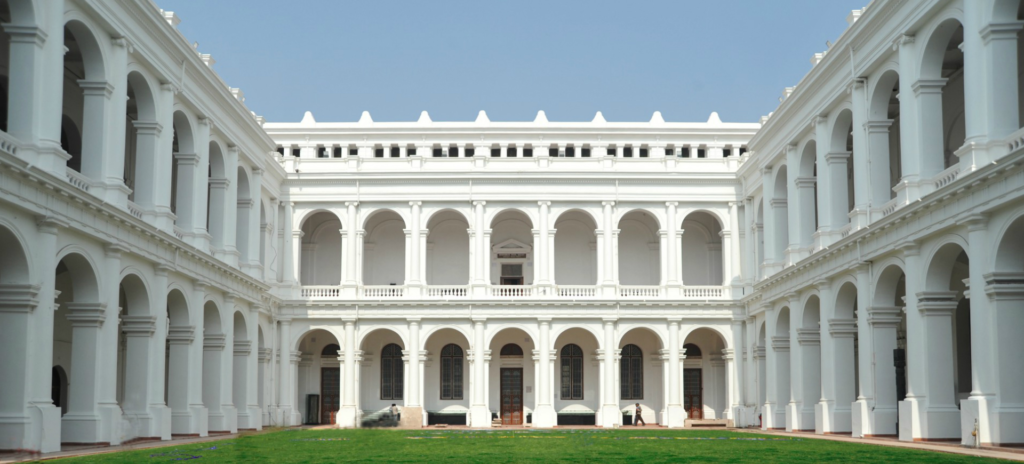
National Museum, New Delhi
The National Museum in New Delhi is considered the biggest and most important museum in India. Spread across a vast area, it houses one of the richest collections of historical artifacts in the country.
The museum has over two lakh objects, covering more than 5,000 years of Indian history. Its collections include items from the Harappa civilization, ancient sculptures, manuscripts, paintings, decorative arts, textiles, arms and armor, and archaeological findings.
The National Museum is divided into multiple galleries, each focusing on a specific era or theme, such as:
- Prehistoric and Harappan art
- Maurya, Gupta, and Medieval sculptures
- Indian miniature paintings
- Decorative arts and textiles
- Buddhist art and relics
Because of its size, diversity of collections, and national importance, the National Museum is widely regarded as the largest museum in India.
Where Was India’s First National Museum Opened?
India’s first national museum was opened in New Delhi.
The idea of establishing a national-level museum began before independence, and the National Museum was officially inaugurated on 15 August 1949. Initially, it functioned from a temporary space before moving to its current permanent building on Janpath in New Delhi.
The museum was created to preserve and showcase India’s cultural heritage under one roof and has since grown into the country’s most significant museum institution.
Some of the Largest Museums in India
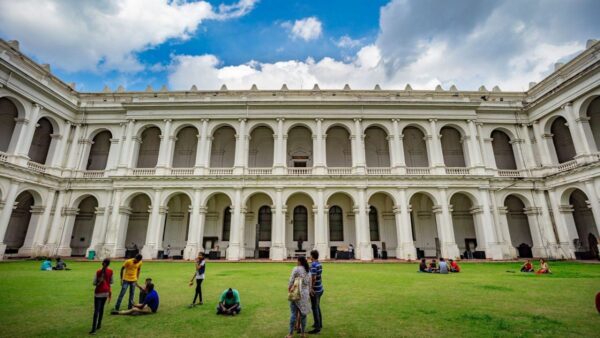
1. Indian Museum, Kolkata
The Indian Museum in Kolkata is the oldest and one of the largest museums in India, established in 1814. It serves as a treasure house of knowledge, offering a rare combination of cultural, historical, and scientific collections under one roof. The museum plays a vital role in preserving India’s heritage and is especially known for its well-organized galleries that cover thousands of years of human history and natural evolution. It is a must-visit for students, researchers, and history enthusiasts.
Main Attractions
- Egyptian mummy
- Bharhut and Gandhara sculptures
- Fossils and meteorites
- Rare coins and manuscripts
How to Reach
- Nearest Metro: Park Street
- Well connected by buses and taxis
Entry Fee
- Indians: ₹20
- Foreigners: ₹500
2. Salar Jung Museum, Hyderabad
Salar Jung Museum is globally recognized as one of the largest one-man collections in the world. The museum was created from the personal collection of Nawab Mir Yousuf Ali Khan, also known as Salar Jung III. It showcases an extraordinary range of art, antiques, and historical objects collected from different continents, reflecting global cultures and artistic excellence. The museum is admired for its diversity and uniqueness.
Main Attractions
- Veiled Rebecca sculpture
- Musical clock
- Persian carpets and manuscripts
- European paintings
How to Reach
- Nearest Metro: Malakpet
- Easily reachable by local transport
Entry Fee
- Indians: ₹20
- Foreigners: ₹500
3. Chhatrapati Shivaji Maharaj Vastu Sangrahalaya, Mumbai
Located in the heart of Mumbai, this museum is famous for its magnificent Indo-Saracenic architecture and world-class art collections. It beautifully blends Indian traditions with Western museum design. The museum houses rare artifacts that reflect India’s artistic, cultural, and historical journey. It is also one of the most visually stunning museums in the country.
Main Attractions
- Ancient Indian sculptures
- Miniature paintings
- Decorative arts and textiles
How to Reach
- Nearest Railway Station: Chhatrapati Shivaji Maharaj Terminus
- Easily accessible by cab or bus
Entry Fee
- Indians: ₹85
- Foreigners: ₹500
4. National Gallery of Modern Art, New Delhi
The National Gallery of Modern Art is dedicated to modern and contemporary Indian art. It preserves and promotes artistic expressions from the 19th century onward. The museum offers a deep understanding of India’s artistic evolution through paintings, sculptures, and visual art created by some of the country’s most respected artists. It is a cultural hub for art lovers and students.
Main Attractions
- Modern paintings and sculptures
- Temporary exhibitions
- Art archives
How to Reach
- Nearest Metro: Khan Market
- Short walk from India Gate
Entry Fee
- Indians: ₹20
- Foreigners: ₹500
5. Government Museum, Chennai
Also known as the Madras Museum, this is one of the oldest and largest museums in South India. It is especially renowned for its archaeological and artistic collections that highlight South Indian history and culture. The museum complex consists of multiple buildings and galleries, making it a major educational and cultural center in Chennai.
Main Attractions
- Chola bronze sculptures
- Archaeological galleries
- Natural history section
How to Reach
- Nearest Metro: Egmore
- Well connected by road
Entry Fee
- Indians: ₹15
- Foreigners: ₹250
6. Victoria Memorial Hall, Kolkata
Victoria Memorial Hall is both a grand historical monument and a museum. Built during British rule, it reflects colonial architecture and preserves the history of the British era in India. The museum is surrounded by beautiful gardens and is one of Kolkata’s most iconic landmarks.
Main Attractions
- British-era paintings
- Historical documents
- Royal galleries
How to Reach
- Nearest Metro: Maidan
- Accessible by bus and taxi
Entry Fee
- Indians: ₹30
- Foreigners: ₹500
7. Allahabad Museum, Prayagraj
The Allahabad Museum is known for its rich archaeological and freedom movement collections. It provides valuable insights into India’s political, cultural, and artistic development. The museum also highlights the region’s historical significance and its contribution to India’s independence movement.
Main Attractions
- Gupta sculptures
- Freedom struggle exhibits
- Modern Indian art
How to Reach
- Near Prayagraj Junction
- Easily reachable by local transport
Entry Fee
- Indians: ₹20
- Foreigners: ₹300
8. National Rail Museum, New Delhi
The National Rail Museum is a unique open-air museum that celebrates the heritage of Indian Railways. It showcases the evolution of rail transport in India through real locomotives, carriages, and interactive displays. The museum is especially popular among families and children.
Main Attractions
- Vintage locomotives
- Royal train coaches
- Interactive exhibits
How to Reach
- Nearest Metro: Dhaula Kuan
- Short auto or cab ride
Entry Fee
- Adults: ₹50
- Children: ₹10
9. Albert Hall Museum, Jaipur
Albert Hall Museum is the oldest museum in Rajasthan and a prime example of Indo-Saracenic architecture. It houses a diverse collection that reflects Rajasthan’s royal history, craftsmanship, and cultural richness. The museum looks especially beautiful when illuminated at night.
Main Attractions
- Rajasthani art and textiles
- Egyptian mummy
- Traditional weapons
How to Reach
- Located in Ram Niwas Garden
- Easily reachable by cab or auto
Entry Fee
- Indians: ₹40
- Foreigners: ₹300
10. National Science Centre, New Delhi
The National Science Centre is dedicated to science education and innovation. It focuses on making science engaging and easy to understand through interactive exhibits. The museum is highly educational and encourages curiosity, especially among young visitors.
Main Attractions
- Science experiments
- Space and evolution galleries
- Hands-on exhibits
How to Reach
- Nearest Metro: Pragati Maidan
- Well connected by road
Entry Fee
- Adults: ₹70
- Children: ₹60
Also Read: Best Temples to Visit in Delhi on New Year
Conclusion
Museums are living classrooms that preserve the story of a nation. The National Museum in New Delhi, being the biggest museum in India, stands as a powerful symbol of the country’s historical depth and cultural diversity. Along with other large museums across India, it helps future generations understand where the nation came from and how its culture evolved over thousands of years.
Visiting museums is not just about seeing old objects; it is about experiencing history, learning lessons from the past, and appreciating the richness of human creativity.
FAQs
Q1. Which is the biggest museum in India?
The National Museum in New Delhi is considered the biggest museum in India.
Q2. Where is India’s first national museum located?
India’s first national museum is located in New Delhi.
Q3. What can you see in the National Museum, New Delhi?
You can see ancient sculptures, Harappan artifacts, manuscripts, paintings, textiles, coins, weapons, and decorative arts.
Q4. Which is the oldest museum in India?
The Indian Museum in Kolkata, established in 1814, is the oldest museum in India.
Q5. Why are museums important?
Museums preserve history, educate the public, support research, and help protect cultural heritage for future generations.