
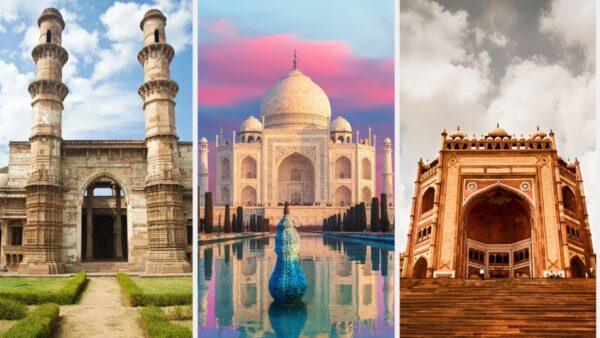
India is not just a country—it’s a living museum of history, culture, and architectural brilliance. From ancient caves carved into rock to majestic forts, sacred temples, and historic cities, India’s UNESCO World Heritage Sites tell stories that span thousands of years. Each site represents a chapter of human civilization, preserved for the world to witness and learn from.
These UNESCO sites in India are more than tourist attractions—they are symbols of artistic excellence, cultural diversity, and historical depth. Whether you’re a history enthusiast, architecture lover, spiritual seeker, or curious traveler, visiting these heritage sites offers an unforgettable journey through time.
This blog explores the Top 10 Must-Visit UNESCO World Heritage Sites in India, explaining why each site is special, who should visit it, and how to plan your trip efficiently.
Why India is a Global UNESCO Heritage Hotspot
India ranks among the top countries in the world for UNESCO World Heritage Sites—and for good reason. Here’s why these sites are truly special:
- Ancient Civilization Legacy: Many sites date back thousands of years, reflecting India’s long and continuous history.
- Architectural Diversity: From Mughal monuments and Dravidian temples to Buddhist caves and colonial cities.
- Cultural Significance: These sites represent religious, artistic, and social traditions passed down through generations.
- Travel Accessibility: Most UNESCO sites are well-connected and tourist-friendly.
- Global Recognition: UNESCO status ensures preservation, authenticity, and international importance.
From iconic landmarks to lesser-known marvels, India’s heritage sites are where history truly comes alive.
Top 10 Must-Visit UNESCO World Heritage Sites in India
1. Taj Mahal, Agra
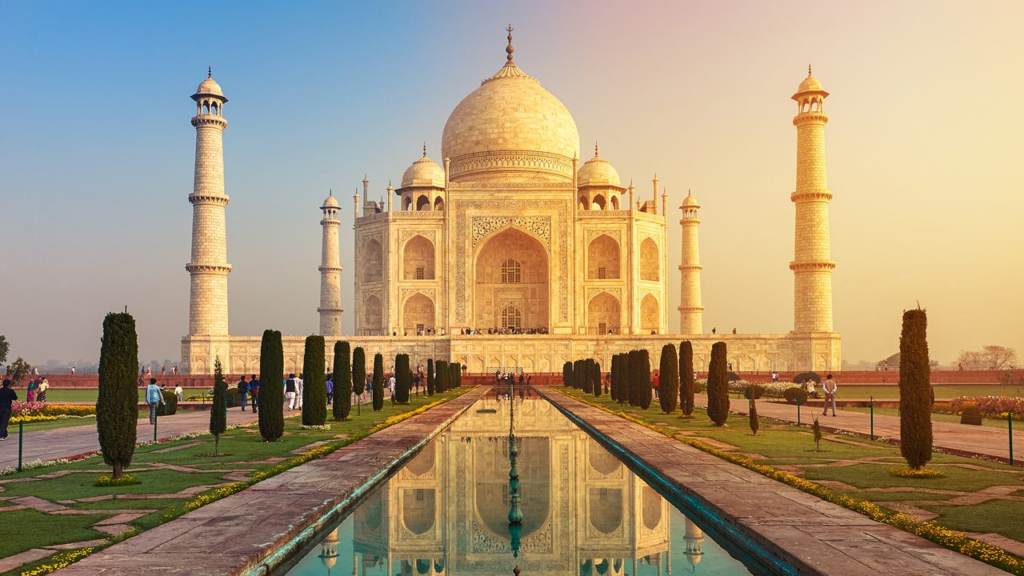
The Taj Mahal is not just India’s most iconic monument—it is one of the greatest architectural masterpieces ever created. Built in the 17th century by Mughal emperor Shah Jahan, this white marble mausoleum stands as an eternal symbol of love, devotion, and artistic excellence. As the sunlight changes through the day, the Taj transforms in color, creating a magical visual experience that leaves visitors spellbound. Its perfect symmetry, detailed inlay work, and serene surroundings make it a once-in-a-lifetime destination.
Why it’s Famous: Symbol of eternal love, Mughal architecture, global icon
Best for: First-time visitors, couples, photographers
How to Reach Here:
- By Air: Nearest airport is Agra Airport; Delhi International Airport is ~230 km away
- By Train: Agra Cantt is well-connected to major Indian cities
- By Road: Easily accessible via Yamuna Expressway from Delhi
2. Jaipur City (Pink City), Rajasthan
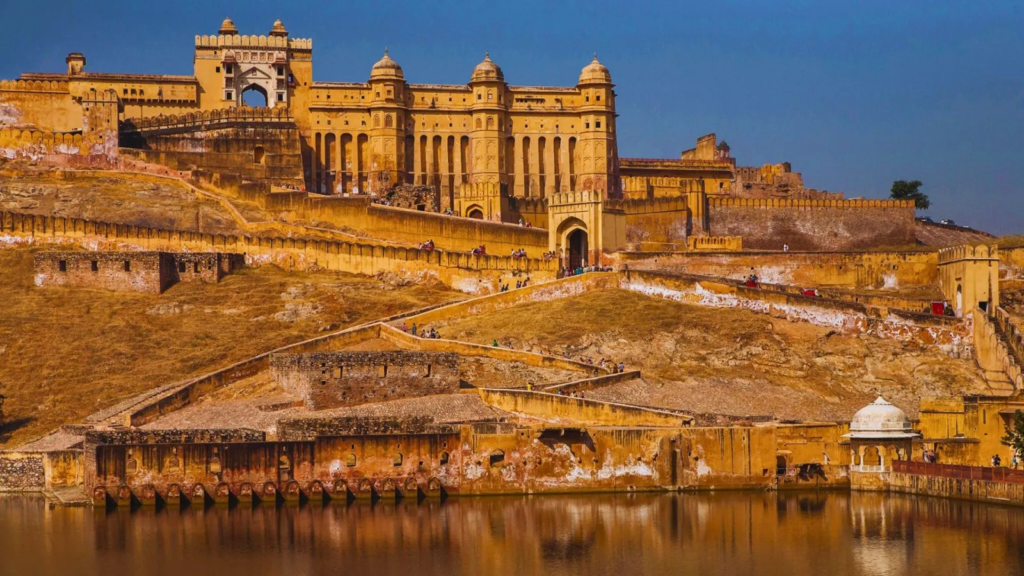
Jaipur’s historic walled city is a living heritage destination where royal history meets everyday life. Designed in the 18th century, Jaipur is one of India’s earliest planned cities, known for its pink-hued buildings, grand palaces, historic forts, and bustling bazaars. From the iconic Hawa Mahal to the majestic City Palace, Jaipur offers a rich cultural experience that blends architecture, tradition, and modern tourism seamlessly.
Why it’s Famous: Planned royal city, cultural richness, pink architecture
Best for: Culture lovers, architecture enthusiasts, shoppers
How to Reach Here:
- By Air: Jaipur International Airport
- By Train: Jaipur Junction connects to all major cities
- By Road: Well-connected via national highways and luxury buses
3. Qutub Minar, Delhi
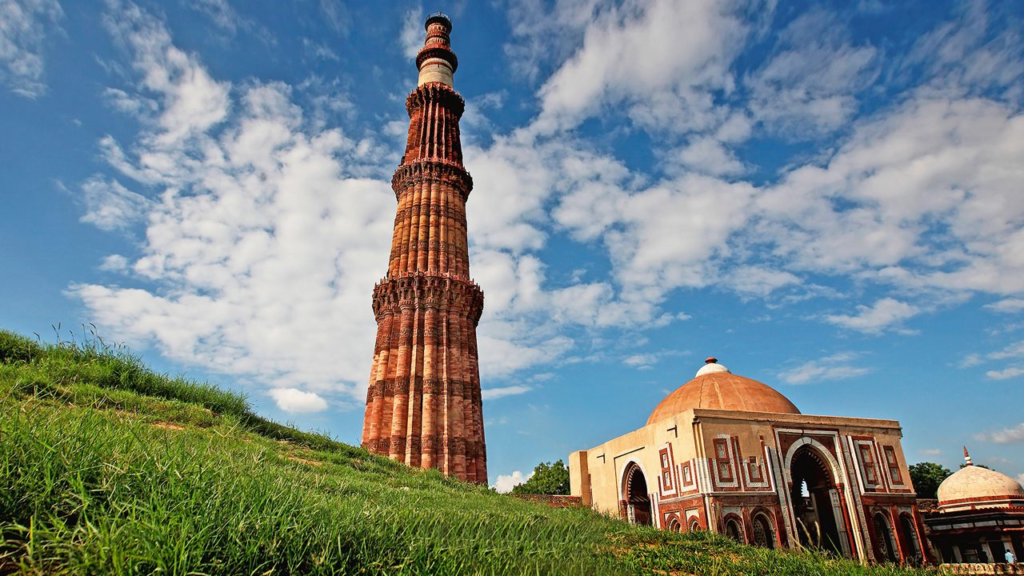
Qutub Minar is a striking reminder of Delhi’s medieval past and the early days of Islamic rule in India. Rising 73 meters high, this towering minaret is adorned with intricate carvings and Quranic inscriptions. Surrounded by ancient ruins, mosques, and historical structures, Qutub Minar offers a fascinating glimpse into Indo-Islamic architecture and India’s layered history.
Why it’s Famous: Tallest brick minaret, historical inscriptions
Best for: History lovers, students, photographers
How to Reach Here:
- By Metro: Qutub Minar Metro Station (Yellow Line)
- By Air: IGI Airport, New Delhi
- By Road: Easily reachable from all parts of Delhi
4. Ajanta Caves, Maharashtra

The Ajanta Caves are among the finest examples of ancient Buddhist art in the world. Carved into a horseshoe-shaped rock cliff, these caves feature breathtaking murals and sculptures that narrate the life and teachings of Lord Buddha. Dating back to the 2nd century BCE, the paintings showcase remarkable artistic skill, emotional depth, and storytelling that continue to amaze visitors centuries later.
Why it’s Famous: Ancient paintings, Buddhist heritage
Best for: Art lovers, spiritual travelers, history enthusiasts
How to Reach Here:
- By Air: Aurangabad Airport (~100 km)
- By Train: Jalgaon or Aurangabad railway station
- By Road: Well-connected via state highways
5. Ellora Caves, Maharashtra
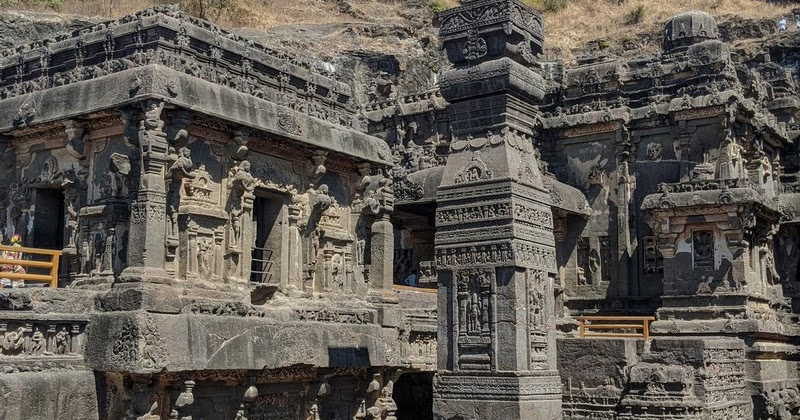
Ellora Caves represent India’s unique spirit of religious harmony, where Hindu, Buddhist, and Jain monuments coexist in one complex. The highlight is the Kailasa Temple—an architectural marvel carved entirely from a single rock. The scale, precision, and engineering brilliance of Ellora make it one of the most astonishing heritage sites in the world.
Why it’s Famous: Rock-cut architecture, Kailasa Temple
Best for: Architecture enthusiasts, explorers
How to Reach Here:
- By Air: Aurangabad Airport (~30 km)
- By Train: Aurangabad railway station
- By Road: Easily accessible from Aurangabad city
6. Hampi, Karnataka
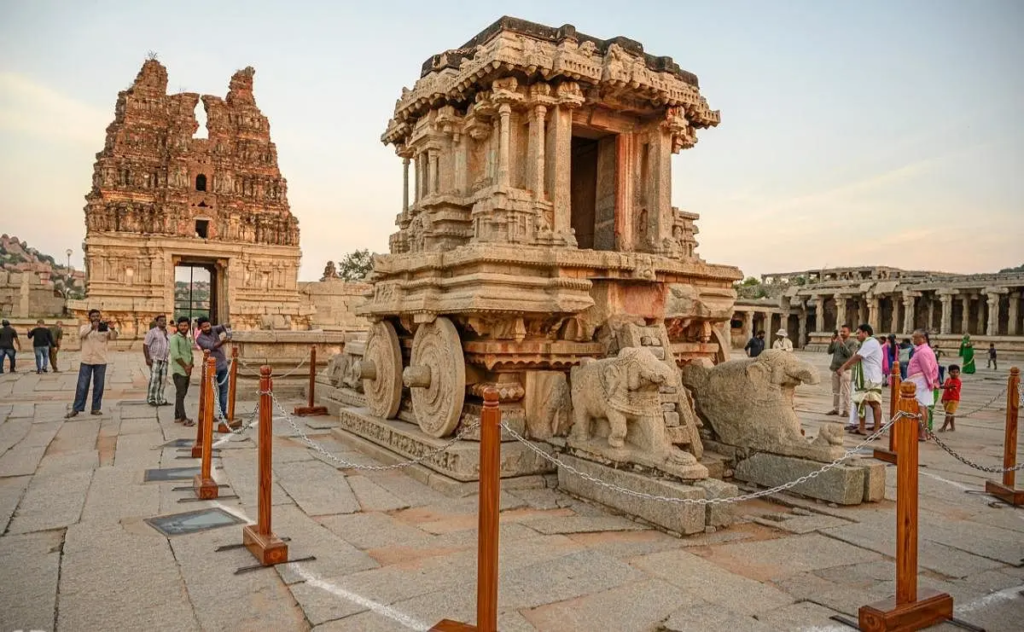
Hampi is an extraordinary open-air museum spread across a dramatic landscape of boulders, temples, and ruins. Once the capital of the powerful Vijayanagara Empire, Hampi tells stories of grandeur, prosperity, and artistic excellence. Walking through its ancient streets, stone chariots, and temple complexes feels like stepping back into a glorious era of Indian history.
Why it’s Famous: Ancient ruins, temple architecture, historical empire
Best for: Backpackers, history buffs, photographers
How to Reach Here:
- By Air: Hubli Airport (~160 km)
- By Train: Hospet Junction (~13 km)
- By Road: Well-connected via buses and taxis
7. Sun Temple, Konark
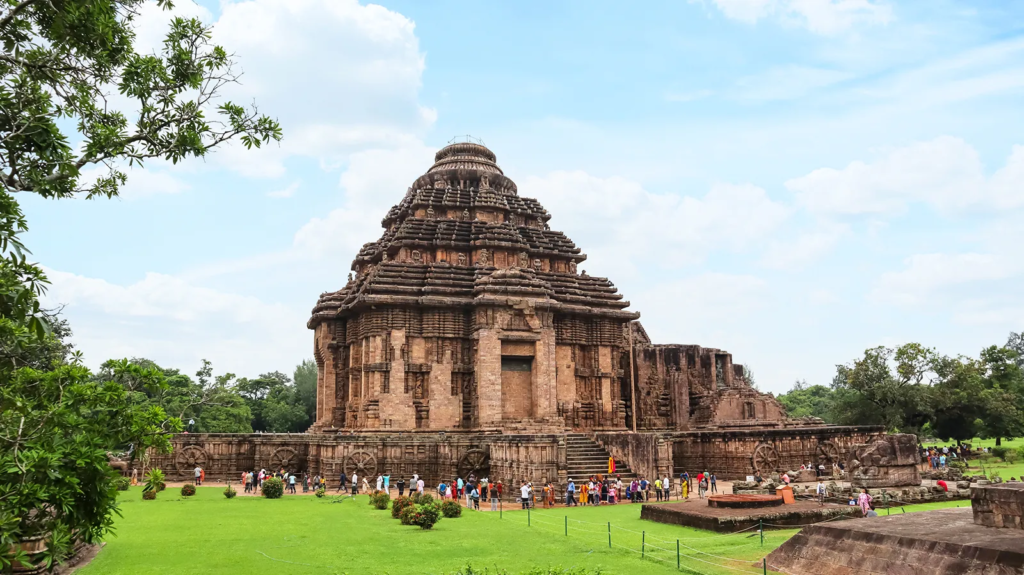
The Sun Temple at Konark is a stunning example of India’s ancient scientific and artistic knowledge. Designed as a massive stone chariot pulled by seven horses, the temple is dedicated to the Sun God. Every carving, wheel, and structure reflects astronomical precision and artistic mastery, making it one of India’s most impressive heritage monuments.
Why it’s Famous: Stone chariot design, intricate carvings
Best for: Cultural travelers, architecture lovers
How to Reach Here:
- By Air: Bhubaneswar Airport (~65 km)
- By Train: Puri or Bhubaneswar railway station
- By Road: Easily reachable from Puri and Bhubaneswar
8. Khajuraho Group of Monuments, Madhya Pradesh
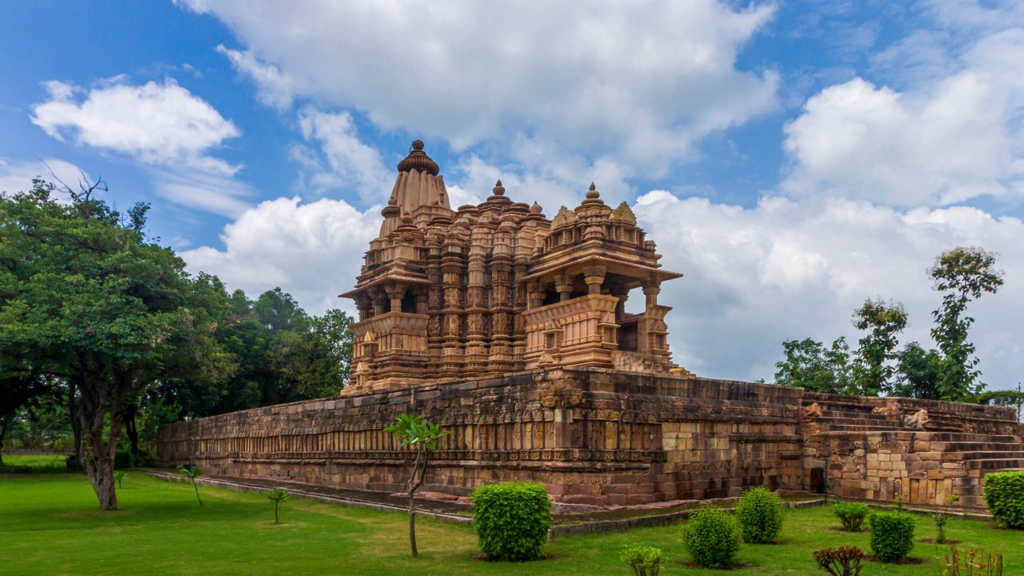
The Khajuraho temples are celebrated for their exquisite sculptures that depict love, devotion, daily life, and spirituality. Built by the Chandela dynasty, these temples reflect artistic freedom, balance, and philosophical depth. Despite their fame for sensual carvings, Khajuraho is deeply spiritual and architecturally refined.
Why it’s Famous: Intricate sculptures, Nagara architecture
Best for: Art lovers, cultural explorers
How to Reach Here:
- By Air: Khajuraho Airport
- By Train: Khajuraho railway station
- By Road: Connected to major towns in Madhya Pradesh
9. Fatehpur Sikri, Uttar Pradesh

Fatehpur Sikri is a perfectly preserved Mughal city that once served as Emperor Akbar’s capital. The city showcases grand palaces, courtyards, mosques, and gateways, all built with red sandstone. Walking through Fatehpur Sikri offers a rare glimpse into Mughal urban planning and royal life.
Why it’s Famous: Mughal city planning, historical significance
Best for: History enthusiasts, architecture lovers
How to Reach Here:
- By Air: Agra Airport
- By Train: Agra Cantt railway station
- By Road: Located ~40 km from Agra
10. Churches and Convents of Goa

These historic churches reflect the strong Portuguese influence on Indian architecture and culture. The Basilica of Bom Jesus, Se Cathedral, and other monuments stand as symbols of Goa’s colonial past and Christian heritage. Their serene interiors, grand facades, and historical importance make them key heritage attractions.
Why it’s Famous: Colonial architecture, religious importance
Best for: Cultural travelers, history lovers
How to Reach Here:
- By Air: Goa International Airport (Dabolim)
- By Train: Madgaon or Thivim railway station
- By Road: Well-connected within Goa via taxis and buses
Key Facts About UNESCO World Heritage Sites in India
- India is one of the countries with the highest number of UNESCO World Heritage Sites in the world
- India has 40+ UNESCO World Heritage Sites recognized for cultural, natural, and mixed heritage
- UNESCO World Heritage Sites in India reflect over 5,000 years of history and civilization
- India’s heritage sites showcase Hindu, Buddhist, Jain, Islamic, and colonial influences
- The Taj Mahal is India’s most globally recognized UNESCO site
- Sites like Ajanta, Ellora, and Khajuraho highlight India’s excellence in ancient art and architecture
- UNESCO status helps in preservation, global recognition, and responsible tourism
Tips for Visiting UNESCO World Heritage Sites in India
- Plan Ahead: Many sites are vast—allocate enough time.
- Dress Comfortably: Light clothing and good footwear are essential.
- Respect the Site: Follow rules, avoid littering, and respect local customs.
- Hire Local Guides: Gain deeper insights into history and stories.
- Visit Early: Mornings offer fewer crowds and better photography.
Also Read: Top 10 Hidden Villages Near Gangtok to Visit Once in a Life
Conclusion
Exploring UNESCO World Heritage Sites in India is like traveling through centuries of human achievement. From the romance of the Taj Mahal to the rock-cut brilliance of Ajanta and Ellora, each site offers a unique window into India’s rich past. Whether you’re traveling for learning, inspiration, or adventure, these heritage sites promise unforgettable experiences rooted in history, culture, and timeless beauty.
FAQs – UNESCO World Heritage Sites in India
Q1. How many UNESCO World Heritage Sites are there in India?
India has 40+ UNESCO World Heritage Sites across cultural, natural, and mixed categories.
Q2. What is the best time to visit UNESCO sites in India?
October to March is ideal due to pleasant weather.
Q3. Are UNESCO sites family-friendly?
Yes, most sites are safe and suitable for families and senior travelers.
Q4. Are guides available at these sites?
Yes, official and local guides are available at major UNESCO locations.
Q5. Do these sites require entry fees?
Most sites have minimal entry fees; some are free for children.
