
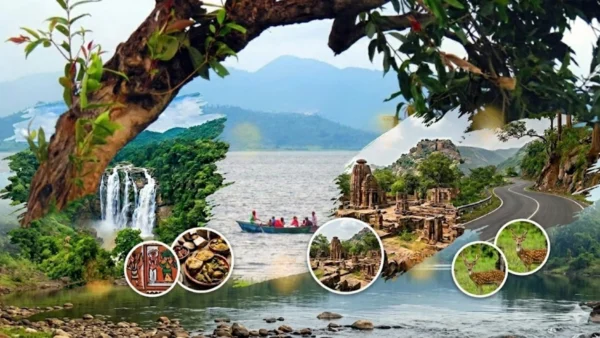
When most people plan a summer vacation, Jharkhand rarely makes the top of their list. Goa, Manali, Kerala, and Rajasthan dominate the conversation. But those who have ventured into the heart of Jharkhand know a secret that the rest of India is still catching up to — this state is one of the most breathtakingly beautiful, wildly underexplored, and genuinely unspoiled travel destinations in the entire country.
Jharkhand, carved out of Bihar in the year 2000, is a land of dense forests, ancient tribal culture, thundering waterfalls, sacred mountains, and rivers that flow with a quiet power. During summer, while the plains of India bake under relentless heat, large parts of Jharkhand remain relatively cool, green, and inviting — particularly its highland regions, forested interiors, and waterfall-rich landscapes.
This blog is not about the places you already know. Ranchi, Hundru Falls, and Betla National Park are well-documented. This guide is about the places that most travellers miss entirely — the hidden valleys, forgotten temples, tribal villages, and serene natural pockets that make Jharkhand one of India’s most rewarding off-the-beaten-path destinations.
Pack your bags, charge your camera, and get ready to discover the real unseen places in Jharkhand.
1. Palkot Wildlife Sanctuary – Gumla District
If you are the kind of traveller who prefers silent forests over crowded tourist spots, Palkot Wildlife Sanctuary in Gumla district is a place that will genuinely move you.
Located about 100 kilometres from Ranchi, Palkot spans over 183 square kilometres of dense sal forests, rolling hills, and pristine river streams. Unlike Betla National Park which sees reasonable tourist footfall, Palkot remains almost entirely off the tourist radar. On most days, you might be the only visitor in the entire sanctuary.
The forest is home to leopards, wild boar, deer, sloth bears, and a rich variety of birds that make it a quiet paradise for wildlife enthusiasts and birdwatchers. The streams cutting through the sanctuary are crystal clear and perfect for sitting beside on a warm summer afternoon.
The tribal villages around Palkot add a cultural dimension to the visit. The Oraon tribal community living in this region has maintained their traditional way of life, and interacting with them — respectfully and with local guidance — is one of the most enriching experiences Jharkhand offers.
Best time to visit in summer: March to June. The forest is green and the streams are flowing without being flooded.
How to reach: Drive from Ranchi to Gumla, then take a local road toward Palkot. The roads are manageable but somewhat rough in sections — a sturdy vehicle is recommended.
Stay: Basic accommodation is available in Gumla town. Camping near the sanctuary with prior permission is also possible.
2. Lodh Falls (Burhaghagh Waterfall) – Latehar District
Most people who visit Jharkhand have heard of Hundru Falls near Ranchi. Very few have heard of Lodh Falls, and that is precisely what makes it special.
Lodh Falls, also called Burhaghaagh Waterfall, is located deep inside Latehar district and is widely considered to be the highest waterfall in Jharkhand. The water cascades from a height of approximately 143 metres through dense forest into a rocky gorge below. The surrounding landscape — thick jungle, rocky terrain, and almost complete silence broken only by the roar of falling water — is the kind of scenery that stays with you long after you return home.
Reaching Lodh Falls requires effort. The approach involves a trek through forest terrain and is not suitable for casual tourists who prefer paved pathways and tourist infrastructure. But for adventure travellers, nature lovers, and those willing to put in the effort, this waterfall is a reward beyond description.
In summer, the water flow is moderate but still spectacular. The spray from the falls creates a natural cooling mist that makes the entire surrounding area feel like nature’s own air conditioner — a perfect summer escape.
Best time to visit in summer: April to June before the monsoon arrives. The trek is more manageable in these months compared to the wet season.
How to reach: From Ranchi, head toward Latehar. From Latehar town, local guides can direct you to the trailhead. Hiring a local guide is strongly recommended — the forest paths are not clearly marked.
Important note: Always trek with a local guide and inform someone of your itinerary before heading in.
3. Navratna Garh Fort – Garhwa District
History lovers, this one is for you.
Hidden in the forests of Garhwa district in western Jharkhand is the ruins of Navratna Garh Fort — an ancient fortification that most people outside the immediate region have never heard of. The fort sits on elevated terrain and offers commanding views of the surrounding forested landscape and the Son River valley.
The fort’s stone ruins, weathered by centuries of monsoons and neglect, carry a haunting beauty that history enthusiasts will deeply appreciate. Unlike Rajasthan’s heavily restored and tourist-packaged forts, Navratna Garh is raw, overgrown, and entirely authentic. You are walking through history that has not been curated for tourism — and that is its greatest charm.
The drive to Garhwa from Ranchi takes you through some of Jharkhand’s most scenic terrain, including forests and river crossings that feel entirely removed from modern India.
Best time to visit in summer: March to May. Avoid peak summer afternoons as the western Jharkhand region can get significantly warm.
How to reach: Garhwa is accessible by road from Ranchi, approximately 200 kilometres away. The fort requires local inquiry and guidance to reach from Garhwa town.
Ideal for: History buffs, photography enthusiasts, and travellers who enjoy exploring forgotten heritage sites without the crowd.
4. Usri Falls – Giridih District
Giridih is a district that most Indian travellers have driven through without stopping. That is a mistake worth correcting, and Usri Falls is the reason why.
Located on the Usri River in Giridih district, Usri Falls is a series of cascading waterfalls surrounded by large flat rocks, light forest cover, and the kind of peaceful natural setting that invites you to simply sit, breathe, and do absolutely nothing productive for a few hours.
What makes Usri Falls particularly special for summer visits is the flat rocky terrain surrounding the falls, which creates natural picnic spots where you can spread out, dip your feet in the cool water, and enjoy the surroundings without the physical demands of a difficult trek. It is accessible yet not overcrowded — a rare combination in Indian tourism.
The nearby Parasnath Hills, which are sacred to the Jain community and one of Jharkhand’s most significant pilgrimage sites, can be combined with a visit to Usri Falls to create a fulfilling 2-day itinerary in Giridih district.
Best time to visit in summer: March to June.
How to reach: Giridih is well connected by road and rail. Usri Falls is located a short distance from Giridih town and easily reachable by local transport or private vehicle.
Perfect for: Family trips, couples, and anyone looking for a relaxed natural retreat without strenuous trekking.
5. Maluti – The Village of Terracotta Temples, Dumka District
If there is one place on this entire list that will completely change how you think about Jharkhand, it is Maluti.
Located in Dumka district in the Santhal Parganas region, Maluti is a small village that contains over 72 ancient terracotta temples clustered together in a single rural setting. These temples, built between the 17th and 19th centuries by the Baj Basanta kings, represent one of the finest and least-known concentrations of terracotta temple art in India.
Each temple is adorned with intricate terracotta panels depicting scenes from Hindu mythology, local folk stories, and the daily life of the period in which they were built. The craftsmanship is extraordinary, and the fact that this village has not yet been overrun by tourists means you can stand in front of these masterpieces in near-complete silence and absorb them at your own pace.
Maluti is a UNESCO-listed heritage candidate and has attracted the attention of art historians and archaeologists, but general tourism infrastructure remains minimal. This is both a challenge and a gift — you are visiting a living heritage site before the tourist buses arrive.
Best time to visit in summer: March to May. The Santhal Parganas region can get warm in peak summer, so early morning visits are ideal.
How to reach: Dumka is the nearest major town, accessible by road from Deoghar and Ranchi. From Dumka, Maluti is approximately 55 kilometres. Local transport and private vehicles can cover this stretch.
Must do: Speak to the local caretakers and temple priests if possible — their stories about individual temples and the history of the Baj Basanta kingdom add incredible depth to the visit.
6. Tirildih – Seraikela Kharsawan District
Most people who travel through Seraikela Kharsawan district are on their way to somewhere else. The smart ones stop at Tirildih.
Tirildih is a small, largely unknown destination on the banks of the Kharkai River near Seraikela. The landscape here is defined by gentle hills, open river banks, scattered forest cover, and a quiet rural beauty that feels entirely removed from the noise of Indian tourism. The river at Tirildih is broad, clean in the non-monsoon months, and lined with sandy banks that are perfect for camping and riverside relaxation.
The area is also culturally rich. The Seraikela region is historically famous for its Chhau dance — one of India’s most celebrated masked dance traditions and a UNESCO-recognised intangible cultural heritage. If you can time your visit around a local Chhau performance or festival, the cultural experience elevates the entire trip.
The proximity to Baharagora in Jharkhand and Jamshedpur means Tirildih can be combined with a broader itinerary exploring eastern Jharkhand’s natural and industrial landscape.
Best time to visit in summer: March to May.
How to reach: Seraikela town is accessible from Jamshedpur, approximately 35 kilometres away. Tirildih is located in the rural areas around Seraikela and requires local inquiry for exact directions.
Best for: Camping enthusiasts, cultural travellers, and anyone interested in tribal performing arts.
7. Rajrappa Temple and Surroundings – Ramgarh District
Rajrappa is known to Jharkhand residents as a religious destination. What most visitors miss is the stunning natural landscape surrounding it and the deeper exploration that the area rewards.
Located at the confluence of the Damodar and Bhairavi rivers in Ramgarh district, Rajrappa is home to the famous Chinnamasta Devi Temple — one of the most significant Shakti Peeth temples in eastern India. The temple architecture and its position at the river confluence create a setting of remarkable spiritual and visual power.
But beyond the well-known temple, the surrounding riverbanks, forested hills, and the series of smaller waterfalls and rock formations along the Damodar River offer exploration opportunities that most visitors never take. The early morning hours at Rajrappa, before the crowds arrive, are particularly magical — the river mist, the sound of water over rocks, and the forest-covered hills create a scene of genuine natural beauty.
Trekking along the river banks and exploring the forest behind the main temple complex reveals a quieter, more contemplative version of Rajrappa that is largely unknown even to regular visitors.
Best time to visit in summer: March to June. Arrive early in the morning for the best experience.
How to reach: Ramgarh is well connected to Ranchi, approximately 65 kilometres away. Rajrappa is a further 28 kilometres from Ramgarh town.
Combine with: Patratu Valley, which is only about 40 kilometres from Rajrappa and is worth including in the same trip.
8. Netarhat Plateau Interiors – Latehar District
Netarhat is known to some travellers as Jharkhand’s Queen of Chotanagpur. But even among those who have visited Netarhat, very few have ventured beyond the main viewpoints and sunrise spots to explore the plateau’s interior landscape.
Situated at an altitude of approximately 1,128 metres above sea level, Netarhat is one of the coolest places in Jharkhand during summer, with temperatures significantly lower than the plains below. The main town and its famous sunrise point receive some visitors, but the interior forest roads, hidden waterfalls, tribal villages, and pine plantations of the plateau remain almost entirely unexplored by tourists.
The Magnolia Falls, located within the Netarhat region, are beautiful and relatively accessible but see far fewer visitors than the main viewpoints. The Upper and Lower Ghaghri Falls are within range of Netarhat and can be combined into a multi-day exploration.
Hiring a local guide and spending 2 to 3 days exploring the plateau rather than a single day trip reveals a completely different and far more rewarding Netarhat — one of forests that seem to go on forever, viewpoints that no guidebook has documented, and villages where life moves at a pace that modern India has largely forgotten.
Best time to visit in summer: April to June. Netarhat’s elevation keeps it comfortably cool even in peak summer when the rest of Jharkhand is warm.
How to reach: Netarhat is approximately 150 kilometres from Ranchi. The drive itself, through forest roads and the Chotanagpur plateau landscape, is part of the experience.
Stay: Basic guesthouses and a forest rest house are available in Netarhat. Booking in advance is recommended.
9. Dalma Wildlife Sanctuary Interiors – East Singhbhum District
Dalma Wildlife Sanctuary near Jamshedpur is not entirely unknown — local residents visit it periodically. But the deeper interiors of the sanctuary, away from the main entry gate and the areas typically covered in quick day visits, are genuinely unexplored by most people.
The sanctuary spans over 193 square kilometres and is famous primarily for its elephant population. Jharkhand’s only elephant reserve, Dalma is home to a significant resident herd as well as seasonal elephant migration from neighbouring West Bengal and Odisha. During summer, the elephants are more likely to be visible near water sources — making this the best season for wildlife sightings.
Beyond elephants, the sanctuary harbours leopards, deer, wild boar, porcupines, and exceptional birdlife. The forest is predominantly sal with patches of mixed deciduous growth, and the elevated terrain offers sweeping views of the Subarnarekha River valley and the industrial cityscape of Jamshedpur in the distance — a striking visual contrast between nature and industry.
Staying overnight in the forest rest house and waking up to the sounds of the jungle before the day’s heat sets in is one of the most memorable Jharkhand experiences available to an adventurous traveller.
Best time to visit in summer: March to May. Elephant sightings near water sources are most likely during this period.
How to reach: Dalma is located approximately 13 kilometres from Jamshedpur, making it very accessible. The sanctuary entry is near Dimna Lake.
Important: Entry and overnight stay require prior permission from the forest department. Plan and apply in advance.
10. Deogan – The Forgotten Pilgrimage Town, Dumka District
Our final hidden gem on this list is Deogan, located in Dumka district of the Santhal Parganas region — a place that exists at the intersection of tribal culture, ancient religious heritage, and untouched natural beauty.
Deogan is a small temple town on the banks of the Mayurakshi River that has deep religious significance for both Hindu pilgrims and the local Santhal tribal community. The Basuki Nath Temple here is well-known regionally, but the town and its surroundings — the river ghats, the forest-covered hills, the Santhal villages nearby, and the quieter temples off the main path — remain completely off the national tourism radar.
What makes Deogan particularly special for summer visits is the Mayurakshi River, which remains flowing and accessible in the pre-monsoon months, offering beautiful riverbank walks, scenic photography opportunities, and a sense of serene remoteness that is increasingly hard to find in India.
The Santhal Parganas as a whole is one of India’s most culturally distinct regions. The Santhal tribe, one of India’s largest indigenous communities, has maintained a rich cultural identity including their own language, music, art, and agricultural traditions. Spending time in this region with openness and respect for the local culture is one of the most genuinely enriching travel experiences available in eastern India.
Best time to visit in summer: March to May. The Basuki Nath fair draws large crowds in certain periods — check local festival dates in advance if you prefer quieter visits or specifically want to experience the fair.
How to reach: Dumka is accessible by road and rail from Kolkata, Ranchi, and Deoghar. Deogan is located near Dumka town and easily reachable by local transport.
Combine with: Maluti, mentioned earlier in this list, is also in Dumka district. Combine both in a 2 to 3 day Santhal Parganas itinerary for a deeply rewarding experience.
General Travel Tips for Summer Jharkhand
Before you plan your trip, here are some practical tips from someone who wants your Jharkhand experience to go smoothly:
Start Early Every Day: Jharkhand’s summer mornings are cool, beautiful, and peaceful. Most natural sites and forests are best experienced between 6 AM and 10 AM. Afternoons can get warm in lower-elevation areas.
Hire Local Guides: Many of these locations do not have clear signage or tourist infrastructure. A local guide not only helps you navigate but also enriches your understanding of the cultural and natural significance of what you are seeing.
Carry Sufficient Cash: Several of these destinations are in rural or forested areas where digital payments may not work and ATMs may be far away. Always carry adequate cash.
Respect Tribal and Village Communities: Jharkhand is home to a rich diversity of Adivasi communities. Dress respectfully, ask permission before photographing people, and approach cultural interactions with genuine curiosity rather than intrusive tourism.
Stay Hydrated and Sun-Protected: Even in relatively cool areas, summer sun in Jharkhand can be intense. Carry water, sunscreen, hats, and light breathable clothing.
Book Accommodation in Advance: In remote areas, accommodation options are limited. Book whatever is available in advance, especially for forest rest houses that require government permission.
Road Conditions Vary: Many interior roads in Jharkhand are kutcha or semi-paved. A sturdy vehicle with good ground clearance is recommended for most destinations on this list.
Best Overall Time for Summer Visit: March to the first two weeks of June is the sweet spot. After mid-June, the monsoon arrives, making some forest and waterfall destinations difficult to reach safely.
Conclusion
Jharkhand is one of those rare Indian states that rewards the traveller who chooses curiosity over convenience. In a country where overtourism is becoming a genuine problem at popular destinations, Jharkhand offers something increasingly precious — the chance to be genuinely alone with nature, history, and culture.
The places on this list are not well-known yet. Some of them may never be. And that is exactly their value. When you stand at the edge of Lodh Falls with no one around you, or walk through the terracotta temples of Maluti in the quiet of a May morning, or watch the sun set over Palkot’s forests without another tourist in sight — you understand what travel is really about.
