
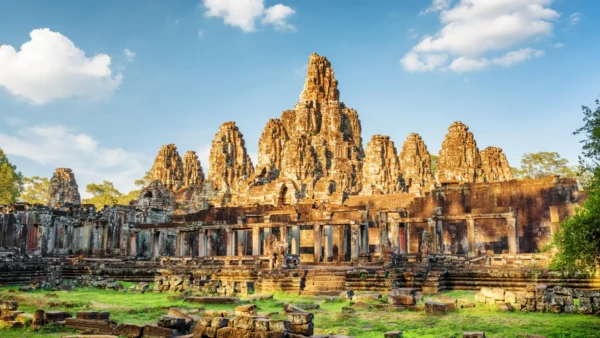
Thinking about visiting Cambodia? You’re in for a treat! This country is famous for Angkor Wat temples, floating villages, and stunning landscapes. But here’s the thing—the time of year you travel makes a big difference.
If you go in the dry season, you’ll enjoy sunny days and perfect weather for sightseeing. In the wet season, the countryside turns green and rivers fill up, making boat rides and floating villages even more beautiful.
Each season has its pros and cons—some months are better for comfort, others for saving money, and some for special experiences.
In this blog, we’ll explain Cambodia’s seasons in simple terms, show you the best time to visit depending on what you want to do, give tips on saving money, and help you plan your trip the easy way.
By the end, you’ll know exactly when to book your Cambodia adventure.
Why Timing Matters for Your Cambodia Trip
Timing is crucial in Cambodia because the weather changes significantly throughout the year:
- Weather impacts sightseeing: The temples, rivers, and beaches look their best in dry and sunny conditions. Monsoon rains can make travel tricky in some regions.
- Festivals and culture: Events like Khmer New Year (April) and Pchum Ben (September–October) happen seasonally, so choosing the right time ensures you don’t miss them.
- Travel costs: Prices for flights, hotels, and tours fluctuate depending on peak and off-peak seasons. Planning strategically can save you a significant amount.
In short, visiting Cambodia at the right time maximizes your experience while avoiding discomfort, crowds, and high costs.
Cambodia’s Seasons Explained
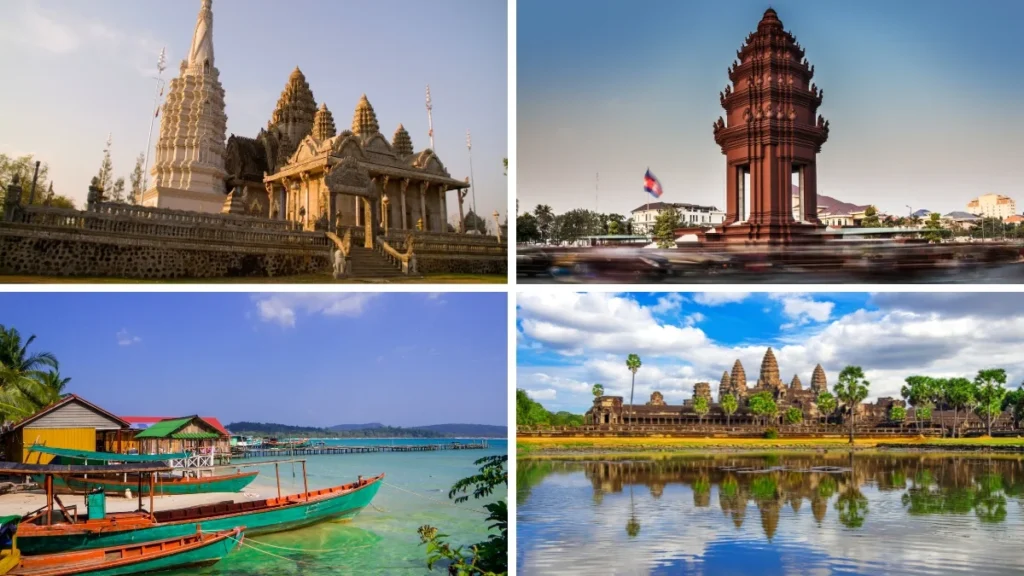
Cambodia has three main seasons, each offering a unique travel experience:
1. Dry Season (November – March): Best Overall Season
The dry season is often considered the best time to visit Cambodia. The skies are clear, temperatures are comfortable, and travel conditions are ideal.
- Weather: Sunny, cool, and dry with temperatures around 25°C – 30°C.
- Activities: Perfect for temple visits, sightseeing, river cruises, and photography.
- Pros: Comfortable weather, ideal for trekking and exploring cities like Siem Reap and Phnom Penh.
- Cons: Peak tourist season, so attractions may be crowded.
- Why Visit: Best for first-timers and travelers who want clear skies and ideal travel conditions.
2. Hot Season (March – May): Best for Early Morning Activities
The hot season can be intense, but it has its own charm for those who can handle the heat.
- Weather: Very warm, temperatures ranging from 30°C – 38°C.
- Activities: Early morning temple visits, indoor museums, or river excursions.
- Pros: Fewer tourists, more peaceful sightseeing.
- Cons: Daytime sightseeing can be exhausting due to the heat.
- Why Visit: If you prefer fewer crowds and don’t mind planning activities for early mornings or late evenings.
3. Wet/Monsoon Season (May – October): Lush & Offbeat Travel
The monsoon season brings heavy but often short rain showers, transforming Cambodia’s landscapes into lush greenery.
- Weather: Frequent rain, high humidity, temperatures around 24°C – 32°C.
- Activities: Nature photography, exploring waterfalls, visiting floating villages.
- Pros: Lower prices, fewer crowds, vibrant scenery.
- Cons: Some rural roads may be difficult to access; heavy rain can interrupt plans.
- Why Visit: Budget travelers or those looking for a more tranquil, offbeat experience.
Best Time to Visit Cambodia Based on Travel Interests
- For Temples & Sightseeing: November – March (Dry Season)
- For Beaches (Sihanoukville, Koh Rong): November – April (Dry Season)
- For Budget Travel: May – October (Monsoon & Hot Season)
- For Festivals & Culture: April (Khmer New Year), September – October (Pchum Ben)
Travel Cost Difference by Season in Cambodia (in INR)
Travel costs in Cambodia depend a lot on the season you choose. Here’s a breakdown to help you budget wisely:
Peak Season (November – March)
- Why Expensive? Pleasant, dry weather makes this the most popular time to visit. High demand = higher prices.
- Average Costs:
- Hotels: Mid-range ₹3,300–5,800 per night | Luxury ₹10,000+
- Daily Expenses (meals, transport, entry fees): ₹4,100–5,800 for mid-range | ₹8,200+ for luxury
- Flights (India → Cambodia): ₹16,500–25,000 round trip
- Hotels: Mid-range ₹3,300–5,800 per night | Luxury ₹10,000+
- Experience: Perfect for sightseeing with cool, sunny days. However, you’ll pay more and see larger crowds.
Off-Peak Season (May – October)
- Why Cheaper? Hot weather and monsoon rains reduce tourist flow, so hotels and airlines offer discounts.
- Average Costs:
- Hotels: Mid-range ₹2,500–4,100 per night | Luxury ₹6,600+
- Daily Expenses: ₹2,900–4,100 for mid-range | ₹6,600+ for luxury
- Flights (India → Cambodia): ₹12,500–16,500 round trip
- Hotels: Mid-range ₹2,500–4,100 per night | Luxury ₹6,600+
- Experience: Expect short rain showers (often in afternoons/evenings), but the countryside is lush green, rivers full, and attractions quieter. You save 20–30% on the same trip.
Cost Comparison (5-Day Mid-Range Trip for One Person)
| Season | Hotels (5 nights) | Daily Spend (5 days) | Flights | Approx. Total |
| Peak Season | ₹16,500–29,000 | ₹20,500–29,000 | ₹16,500–25,000 | ₹55,000–75,000+ |
| Off-Peak | ₹12,500–20,500 | ₹14,500–20,500 | ₹12,500–16,500 | ₹40,000–55,000+ |
Practical Tip
For budget travelers, the off-peak season is the best. Pack a raincoat/umbrella, plan temple visits in the mornings, and keep indoor activities (like museums or cafés) for rainy hours. You’ll save nearly ₹15,000–20,000 compared to peak season.
Tips for Planning Your Trip
- Book early for peak season: Flights and accommodations fill fast between November–March.
- Pack wisely: Light, breathable clothing for hot months; rain gear for monsoon; sunscreen and hats for all seasons.
- Plan festivals carefully: Dates like Khmer New Year change every year, so check the official calendar.
- Stay hydrated: Cambodia can be hot and humid, especially in April–May.
- Transportation: Tuk-tuks are common; for rural areas, consider guided tours during the rainy season.
Notable Insights
- International tourists (Jan-May 2025): 2.95 million, up 11.7% year-on-year
- Domestic travelers (first half 2025): 13.17 million, up nearly 50% from mid-2024
- Top international source markets: China (growth of 50%), Thailand, Vietnam, Laos, USA
- Tourism revenue (first half 2025): US$3.64 million
- Sector contribution to GDP: About 9.4%
- Q2 2025 decline: International arrivals dropped 29.7% (attributed to global economic and seasonal trends, not long-term downturn
- Most visited destinations:
- Phnom Penh
- Siem Reap (Angkor Wat, Phnom Kulen National Park, Tonle Sap Lake)
- Coastal areas (Sihanoukville, Kep)
Also Read: Best Time to Visit Morocco for Desert Safari
Conclusion
Cambodia is a destination that offers something special all year round, but the timing of your visit can make or break your experience.
- For perfect weather and sightseeing: Dry season (Nov–Mar).
- For budget travel and fewer crowds: Monsoon & hot season (May–Oct).
- For culture and festivals: Khmer New Year (April) or Pchum Ben (Sept–Oct).
No matter when you go, Cambodia’s temples, rivers, beaches, and vibrant culture will leave you with memories that last a lifetime. Plan wisely, pack smartly, and get ready to explore this incredible Southeast Asian gem!
FAQs on Best Time to Visit Cambodia
Q1. Which is the best month to visit Cambodia?
👉 November to March, during the dry season.
Q2. Can I visit Cambodia during the monsoon?
👉 Yes, rains are usually short, and it’s ideal for budget travel and lush scenery.
Q3. What is the cheapest time to travel to Cambodia?
👉 May to October, when flights and hotels offer lower rates.
Q4. Best time for Angkor Wat photography?
👉 Dry season (Nov–Mar) for clear skies and golden sunrises.
Q5. Can I visit Cambodian beaches year-round?
👉 Most beaches are best from November to April; monsoon season may bring occasional heavy rains.
